
Temperatures are falling and it's time to start thinking about prepping your home for the winter. There are quick and easy steps you can take now to stay ahead of the game — and there are longer-term weatherizing techniques that can have big savings in the long run.
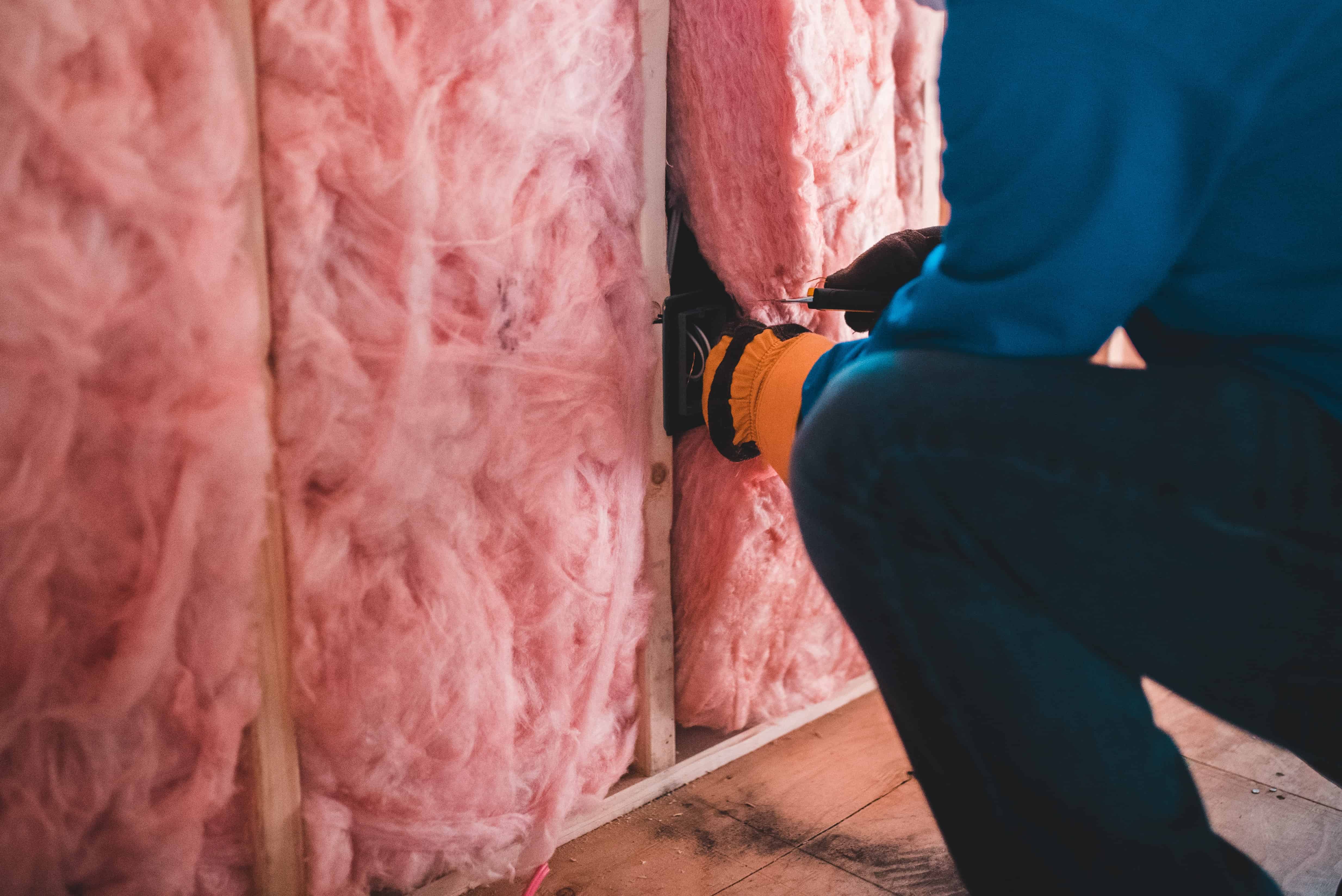
For example, install a programmable thermostat, use caulking and weather stripping, insulate your pipes, or at the very least, listen to your mother and put on a sweater! Here are 9 tips to prepare your home:
1. Get your furnace serviced — Hire a technician to inspect your furnace, boiler, or heat pump to make sure it is clear and in good condition to keep your home warm this winter.
2. Reverse your ceiling fans — By running the blades in a clockwise direction after your heat is turned on, the fan will push down the hot air.
3. Prevent ice dams — Hire a home energy auditor or weatherization contractor to check for air leaks and inadequate insulation in your attic that can cause ice dams.
4. Have your roof inspected — This is just one of those maintenance jobs that often gets overlooked. Look for damaged, loose, or missing shingles that may leak during storms or from melting snow.
5. Caulk your windows and doors — This helps prevent unwanted moisture and air leaks, keeping your home sealed tight, and warm. Typically caulk should be replaced once every five to ten years.
6. Clean the gutters — Your gutters should be cleaned at least twice a year, in the fall and the spring. Sometimes even more often if you have pine trees near your home. Neglecting gutter maintenance can lead to costly repairs later on, so stay on top of that.
7. Divert water — Make sure water doesn't pool up around your home, especially near the basement. Divert water at least 4-6 feet away from your home, the further the better. Pooling water can cause mold, basement leaks, foundation damage, and other water damage-related issues.
8. Get the chimney swept — A qualified professional should check your chimney roughly every year, according to the National Fire Protection Association. Doing so helps prevent chimney fires and carbon monoxide from creeping into your home.
9. Prepare your tools for winter — The cold weather can be hard on tools, causing them to crack or even shrink. You can store cordless power tools in a heated shed or garage, let your metal or plastic tools warm up before using to prevent damage, and take extra care of all tools by cleaning them, applying a thin layer of oil to prevent rust, and even lubricate parts of tools as the manufacturer recommends.